



Sale!
Original price was: $87.00.$26.10Current price is: $26.10.
Sale!
Original price was: $75.00.$22.50Current price is: $22.50.
Sale!
Original price was: $75.00.$22.50Current price is: $22.50.
Sale!
Original price was: $75.00.$22.50Current price is: $22.50.
Sale!
Original price was: $75.00.$22.50Current price is: $22.50.
Sale!
WOMEN
Original price was: $84.00.$25.20Current price is: $25.20.
Sale!
WOMEN
Original price was: $100.00.$30.00Current price is: $30.00.
Sale!
WOMEN
Original price was: $100.00.$30.00Current price is: $30.00.
Sale!
Original price was: $110.00.$33.00Current price is: $33.00.
Sale!
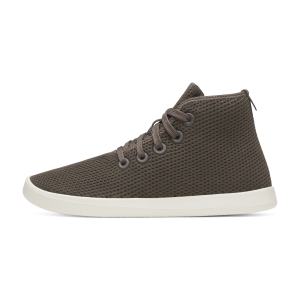
Original price was: $110.00.$33.00Current price is: $33.00.
Sale!
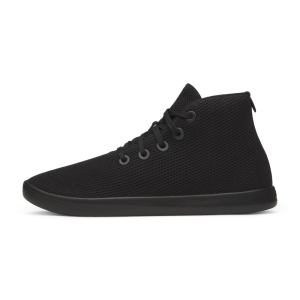
Original price was: $110.00.$33.00Current price is: $33.00.
Sale!
Original price was: $110.00.$33.00Current price is: $33.00.
Sale!
Original price was: $110.00.$33.00Current price is: $33.00.
Sale!
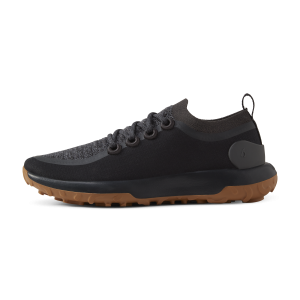
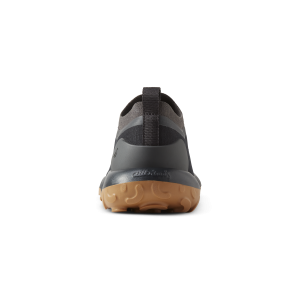
Original price was: $140.00.$42.00Current price is: $42.00.
Sale!
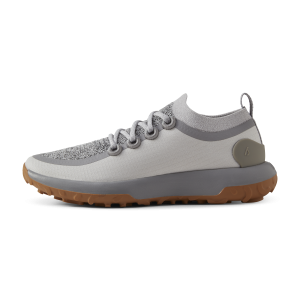
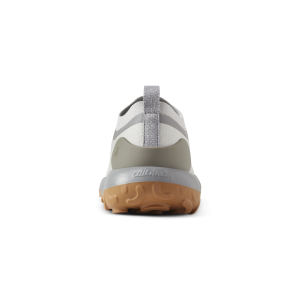
Original price was: $140.00.$42.00Current price is: $42.00.
Sale!
Original price was: $140.00.$42.00Current price is: $42.00.
Sale!
Original price was: $160.00.$48.00Current price is: $48.00.
Sale!
Original price was: $140.00.$42.00Current price is: $42.00.
Sale!
Original price was: $140.00.$42.00Current price is: $42.00.
Sale!
Original price was: $135.00.$40.50Current price is: $40.50.
Sale!
Original price was: $135.00.$40.50Current price is: $40.50.
Sale!
Original price was: $135.00.$40.50Current price is: $40.50.
Sale!
Original price was: $135.00.$40.50Current price is: $40.50.
Sale!
Original price was: $135.00.$40.50Current price is: $40.50.
Sale!
WOMEN
Original price was: $125.00.$37.50Current price is: $37.50.
Sale!
WOMEN
Original price was: $125.00.$37.50Current price is: $37.50.
Sale!
WOMEN
Original price was: $125.00.$37.50Current price is: $37.50.
Sale!
WOMEN
Original price was: $110.00.$33.00Current price is: $33.00.
Sale!
WOMEN
Original price was: $110.00.$33.00Current price is: $33.00.
Sale!
WOMEN
Original price was: $110.00.$33.00Current price is: $33.00.
Sale!
WOMEN
Original price was: $110.00.$33.00Current price is: $33.00.
Sale!
WOMEN
Original price was: $110.00.$33.00Current price is: $33.00.
Classic Recommendation.
The Foundation of Movement
The simple shoe, a seemingly ordinary item, is in fact a profound piece of human engineering and history. Far more than just protection for the feet, the footwear we choose acts as the fundamental connection point between our bodies and the ground, influencing everything from our posture to our performance. Understanding this relationship can transform the way we view and select what we put on our feet each day.
Historically, the evolution of the shoe mirrors the progress of civilization. Early coverings were basic wraps of animal hide, designed purely for necessity against rough terrain and harsh climates. As societies developed, so too did the complexity and specialization of foot coverings. Different environments demanded different solutions: sandals thrived in warmer areas, allowing ventilation; boots became essential for traversal through snow and mud. This divergence underscores a key principle: the best footwear is always context-dependent. What works perfectly for a long-distance run is entirely unsuitable for navigating a polished dance floor, and vice versa.
In the modern era, the design process has become an intricate blend of biomechanics and material science. Specialists now focus on aspects like gait cycle, pressure distribution, and shock absorption. The objective is no longer just to prevent injury but to enhance natural movement. For instance, athletic types are meticulously designed to manage the immense forces generated during vigorous activity. When a person runs, the force impacting the foot can be several times their body weight. The materials within the sole—often sophisticated composites—are tasked with cushioning this impact and then efficiently returning some of that energy to propel the wearer forward. This sophisticated energy management is a testament to the ingenuity involved in contemporary design.
However, the influence of footwear extends beyond athletic endeavors. Consider the professional sphere. The choice of footwear often impacts confidence and comfort during a long day. Standing for hours places considerable stress on the lower body. Appropriate support can mitigate back discomfort and improve overall well-being. A well-designed shoe acts as a subtle, continuous support system, minimizing muscle fatigue and allowing the wearer to focus on their tasks rather than their aching feet. This subtle yet powerful effect on physical comfort translates directly to mental clarity and endurance.
Furthermore, the materials used in construction play a vital role in both durability and environmental impact. The sourcing of leather, textiles, and synthetic components is a growing ethical and ecological consideration. There is a palpable shift towards sustainable practices, with designers exploring recycled materials, plant-based alternatives, and manufacturing processes that minimize waste. Consumers are becoming increasingly aware that their choice of footwear is a small but significant vote for the kind of production they wish to support. A robust, long-lasting pair, despite a higher initial cost, often proves to be the more economical and responsible choice in the long run.
Ultimately, the shoe is a reflection of human adaptation. It represents our capacity to modify our immediate environment—the ground beneath us—to suit our needs. It enables us to traverse immense distances, climb challenging surfaces, and execute complex maneuvers with grace and stability. The footwear we select is a daily statement about our activities, our values, and our relationship with the world. It is the silent, steadfast foundation for every step we take, a piece of essential equipment that deserves more appreciation than it often receives. It is the simple piece of design that empowers our physical journey through life.